How MRG Data Delivers Validated Geological Databases with maxgeo
Mining and exploration companies don't need to build their own geological database team to get validated, auditable data. Perth-based consultancy MRG Data hosts and manages client databases on maxgeo’s datashed, giving everyone from start-up explorers to multi-site producers a single, validated source of truth at an affordable cost. Clients can log in and work with their data directly, or leave the management to MRG Data and simply receive exports.
What you'll learn in this article:
- Why explorers outgrow Excel and Access databases
- How a managed datashed service works for clients of every size
- How one multi-site miner combined an acquired database into a single model
- Why consultancies choose maxgeo as the system behind their service
Who is MRG Data?
MRG Data is a database management and hosting consultancy based in Subiaco, Perth. For more than 20 years it has served the mining industry, from small exploration projects to producing mines across a range of commodities. Every member of the team is an experienced database manager with geology or geoscience qualifications.
What problem does a managed geological database solve?
A managed geological database replaces scattered Excel and Access files with one centralised database that is validated and auditable. That is why most clients come to MRG Data: they have outgrown a basic system they have been maintaining themselves.
Start-ups face an extra challenge. Their data often arrives from several sources, such as historic databases and WAMEX reports, and must be compiled and standardised before it can be trusted.
MRG Data loads that data into DataShed5, checks it on the way in, and keeps it current.
Why did MRG Data choose maxgeo?
MRG Data chose maxgeo because it already trusted the software in-house, and the partnership lets it offer clients an affordable database it can host and support itself.
MRG Data has used maxgeo software since the early 2000s, running all of its in-house databases on datashed and QAQCR. When the business began hosting and managing databases for external clients, it formed a partnership with maxgeo.
That partnership lets MRG Data offer clients an affordable database solution while still hosting and supporting them directly.
"For our consulting business, maxgeo software presents the best software solution for geological database management. It allows us flexibility, whilst streamlining and standardising daily workflows, as well as giving our clients a cost-effective solution for their database requirements." — MRG Data
How do MRG Data's clients use datashed?
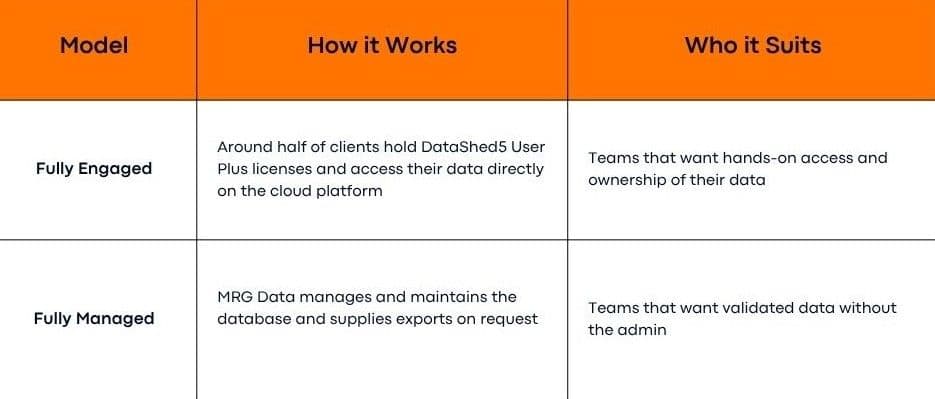
All MRG Data clients run on datashed, either working in it directly or having MRG Data manage it for them:
Which feature do clients value most?
Cloud access to datashed is the feature clients value most, because it gives them direct ownership of their data.
Clients who want to work with their own data have embraced the hosted platform. MRG Data finds that this ownership makes them more engaged and more accountable for data quality.
Customer story: one database across several mines
Combining an acquired company's database into a single datashed model gave one multi-site miner validated, current data across exploration and grade control.
The situation: A client with several mines and prospects was acquiring another company. The acquisition came with a very large and unwieldy database.
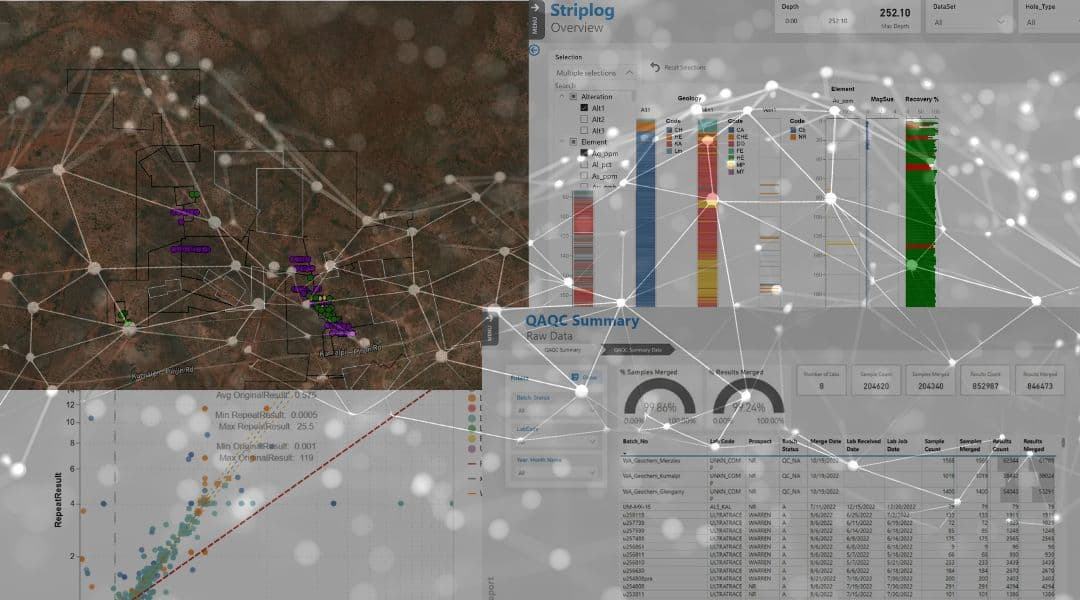
What changed: MRG Data combined all of the data into a single model in datashed. Exploration and grade control personnel can now access the same data. maxgeo's Automatic Assay Loader (AAL) uploads assays seamlessly, and logchief has been rolled out across all sites to streamline logging and speed up data updates.
The result: The client gets on with mining, exploration, resource modelling and reconciliation, knowing the back-end database is validated and current.
How does maxgeo support help?
Clients get two layers of support: MRG Data handles requests first, and maxgeo steps in quickly when an issue needs software-level help.
MRG Data reports that maxgeo responds fast on both DataShed5 and logchief, which gives the team confidence to recommend the software.
What results do clients see?
Clients stay. Many MRG Data clients are return customers who bring the service with them when they change jobs.
MRG Data credits that loyalty to two things: its own work ethic and service record, and the efficiency of the maxgeo system underneath.
Frequently asked questions
What is a managed geological database service? A managed geological database service is where a specialist consultancy hosts, validates and maintains a mining company's drilling, sampling and assay data. MRG Data provides this service using maxgeo datashed.
Do I need my own database manager to use datashed? No. Around half of MRG Data's clients let MRG Data manage the database entirely and receive exports on request. The other half hold User Plus licenses and work with their data directly.
Can historic data and WAMEX reports be loaded into datashed? Yes. MRG Data regularly compiles and standardises data from historic databases and WAMEX reports into a single validated datashed database.
Can two companies' databases be merged after an acquisition? Yes. MRG Data combined an acquired company's large database with a multi-site miner's existing data into one datashed model used by both exploration and grade control teams.
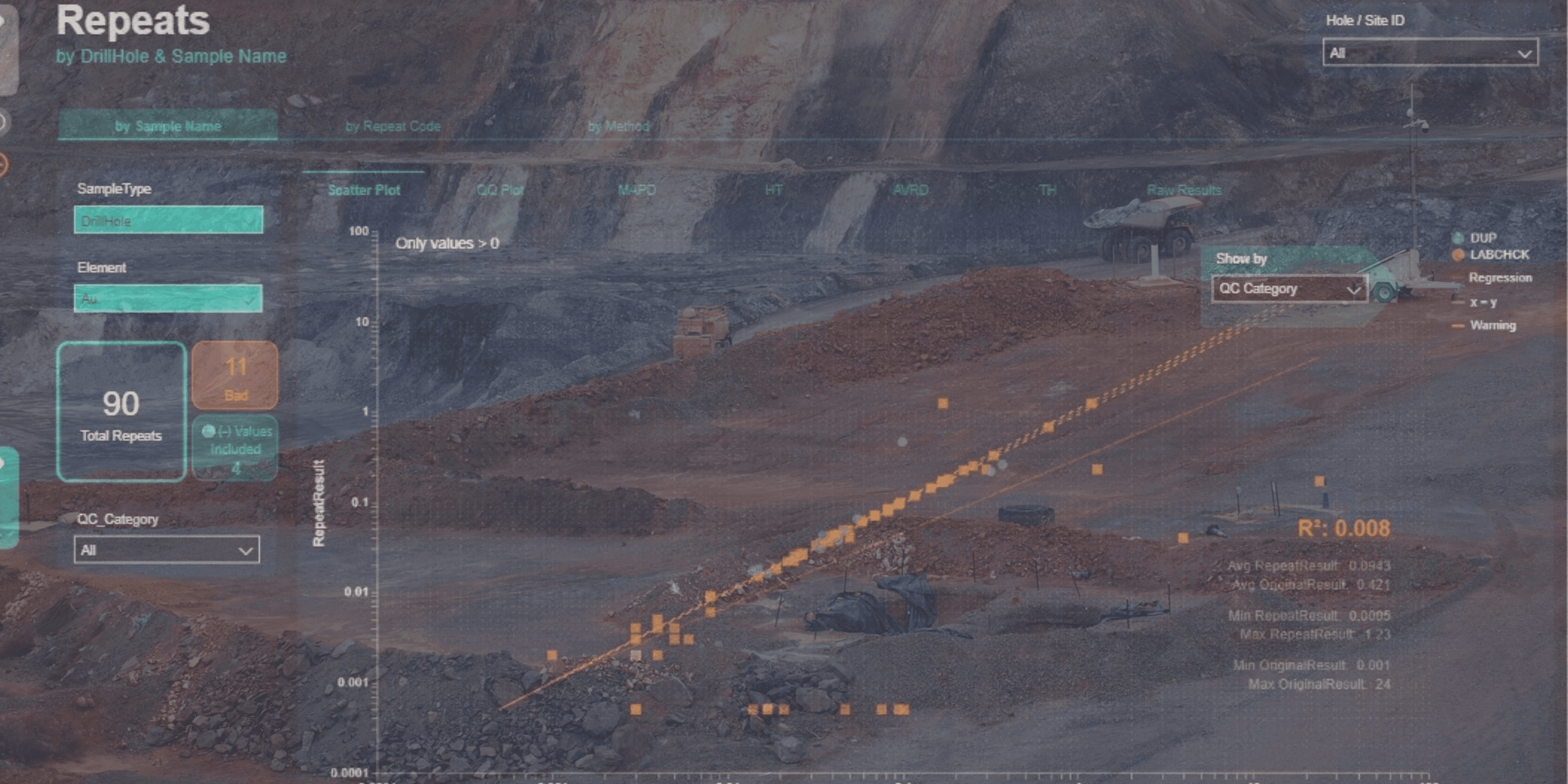
Which maxgeo products work alongside datashed? logchief captures logging data in the field, Automatic Assay Loader (AAL) uploads laboratory assays automatically, and QAQCR supports quality assurance and quality control reporting.
Who supports clients when something goes wrong? MRG Data is the first port of call. If an issue needs software-level help, maxgeo's support team steps in quickly.
Ready for a validated, centralised database?
Whether you manage your data in-house or through a partner like MRG Data, datashed gives your team one validated source of truth across your whole operation.