Solving Mining Data Challenges: From Drilling to Decisions
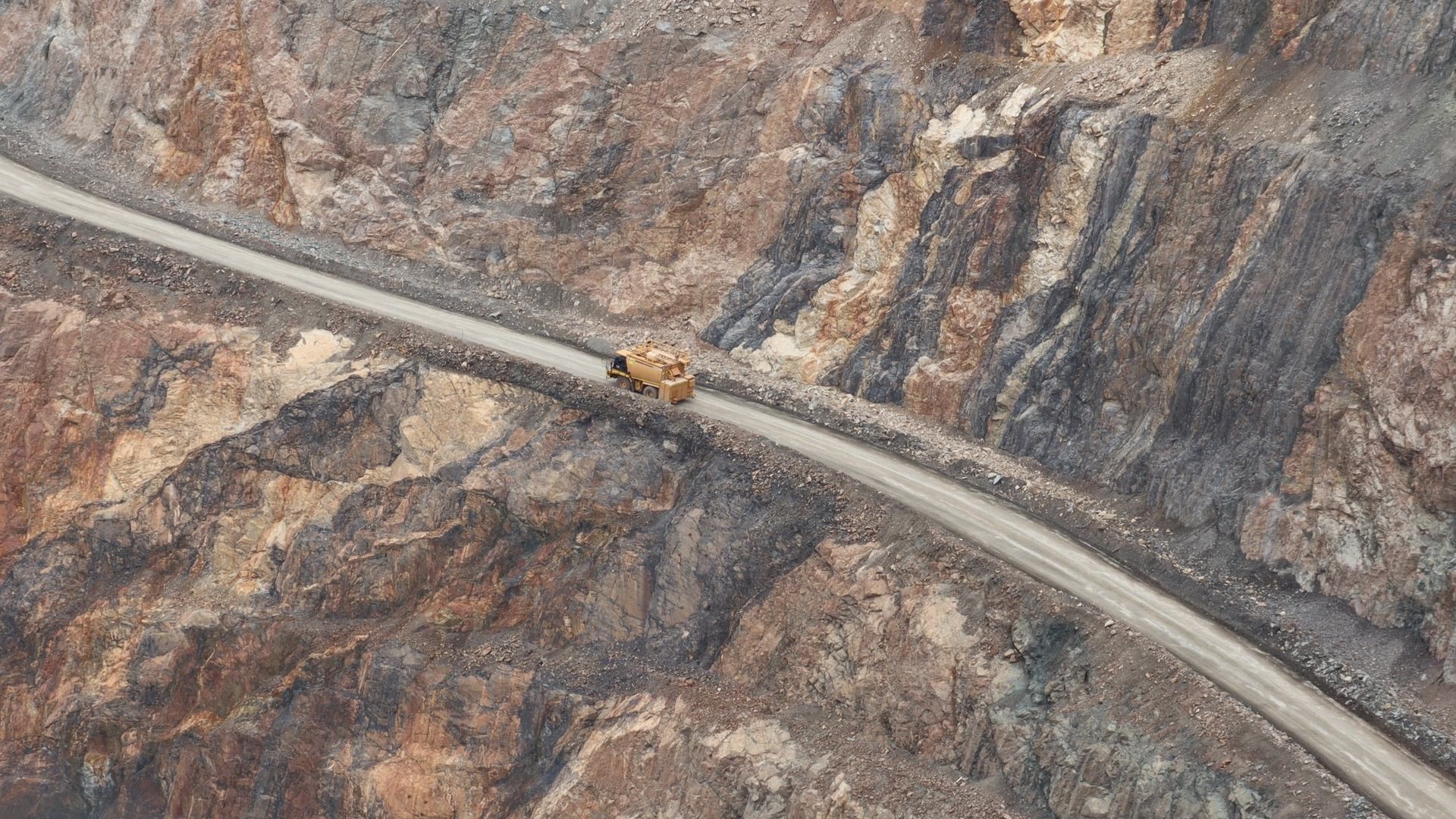
Disconnected systems create delays, rework, and uncertainty. Discover how a solutions-first approach helps mining teams turn data into faster, smarter decisions.
In exploration and mining, data drives everything; where to drill next, when to stop, how to allocate capital and how confidently teams can move forward.
But the real challenge isn’t a lack of data. Information is often collected differently, processed inconsistently, and stored across disconnected systems. As a result, teams rely on different versions of the truth, creating uncertainty at the very moments when confidence matters most.
When data isn't trusted, its value diminishes, not because it's inaccurate but because it's inconsistent.
The Hidden Problem: Disconnected Data, Delayed Decisions
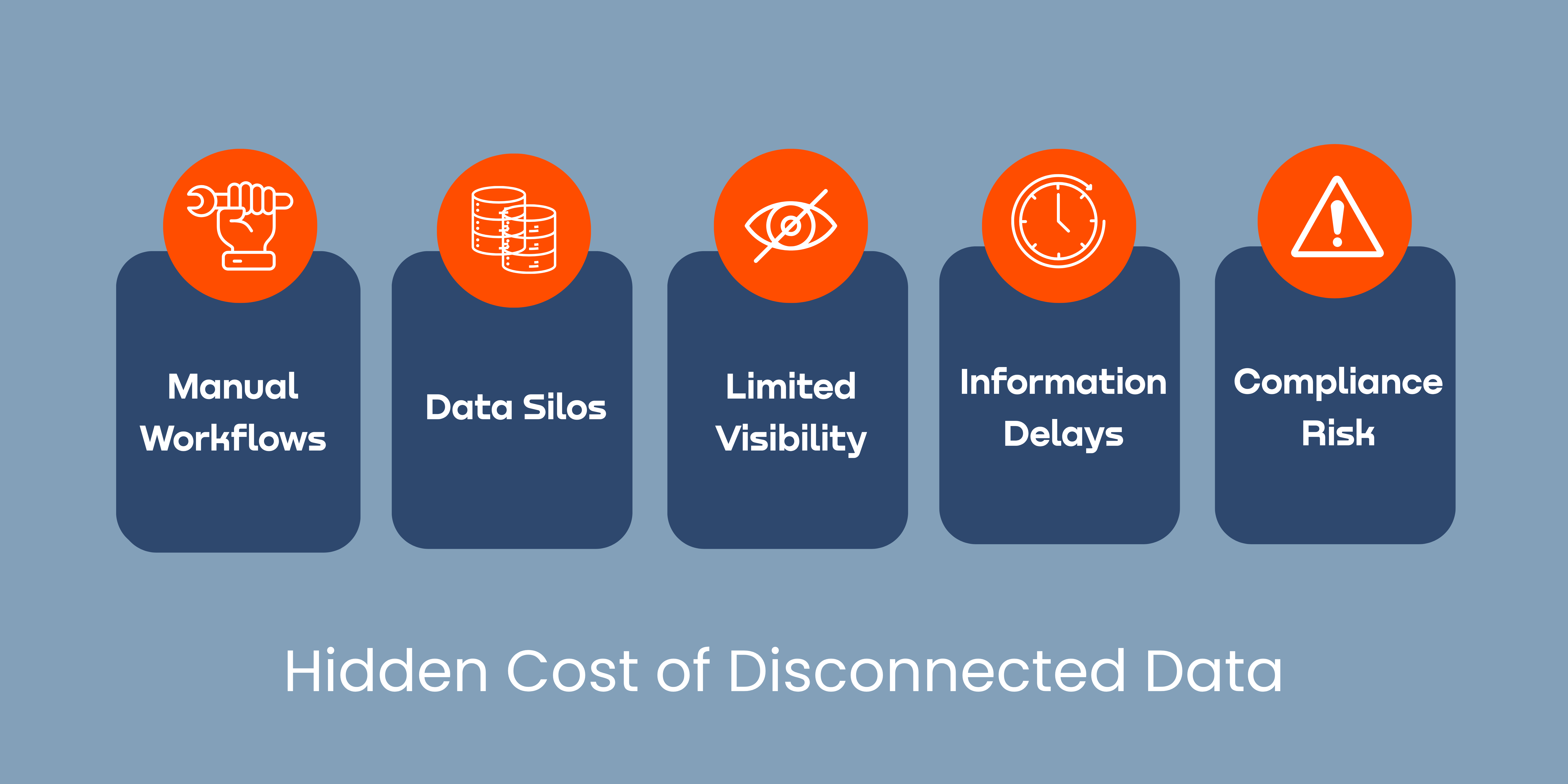
Across drilling, assay management, and land monitoring, the same challenges continue to surface:
- Manual processes slowing down workflows
- Data spread across emails, spreadsheets, and disconnected systems
- Delays between data collection and usability
- Limited visibility across teams and stakeholders
- Increased risk of errors, duplication, and compliance gaps
Whether it’s assay results sitting idle, drilling data stuck between field and office, or land obligations being tracked across multiple systems these inefficiencies introduce bias, inconsistency, and risk into decision-making.
The result is often the same: teams spend more time managing data than acting on it.
A Solutions-First Approach to Data Management
For years, mining and exploration companies have invested heavily in software to manage their data. Yet despite this, many teams still face the same challenges, delayed workflows, disconnected systems and data that can’t be trusted when it matters most.
At maxgeo, we’ve recognised a fundamental shift: the problem isn’t a lack of tools, it’s a lack of connected, fit-for-purpose solutions.
Rather than focusing on individual tools, we focus on solving the root cause: how to create aligned, trusted data across the entire workflow.
This means designing solutions that:
- Standardise data at the point of capture
- Automate validation and quality control
- Remove manual handoffs between systems
- Provide full visibility from field to decision-making
The goal is simple: one version of the truth that every team can rely on.
Solving the Problem at the Source: Drilling Data
Many data challenges begin in the field.
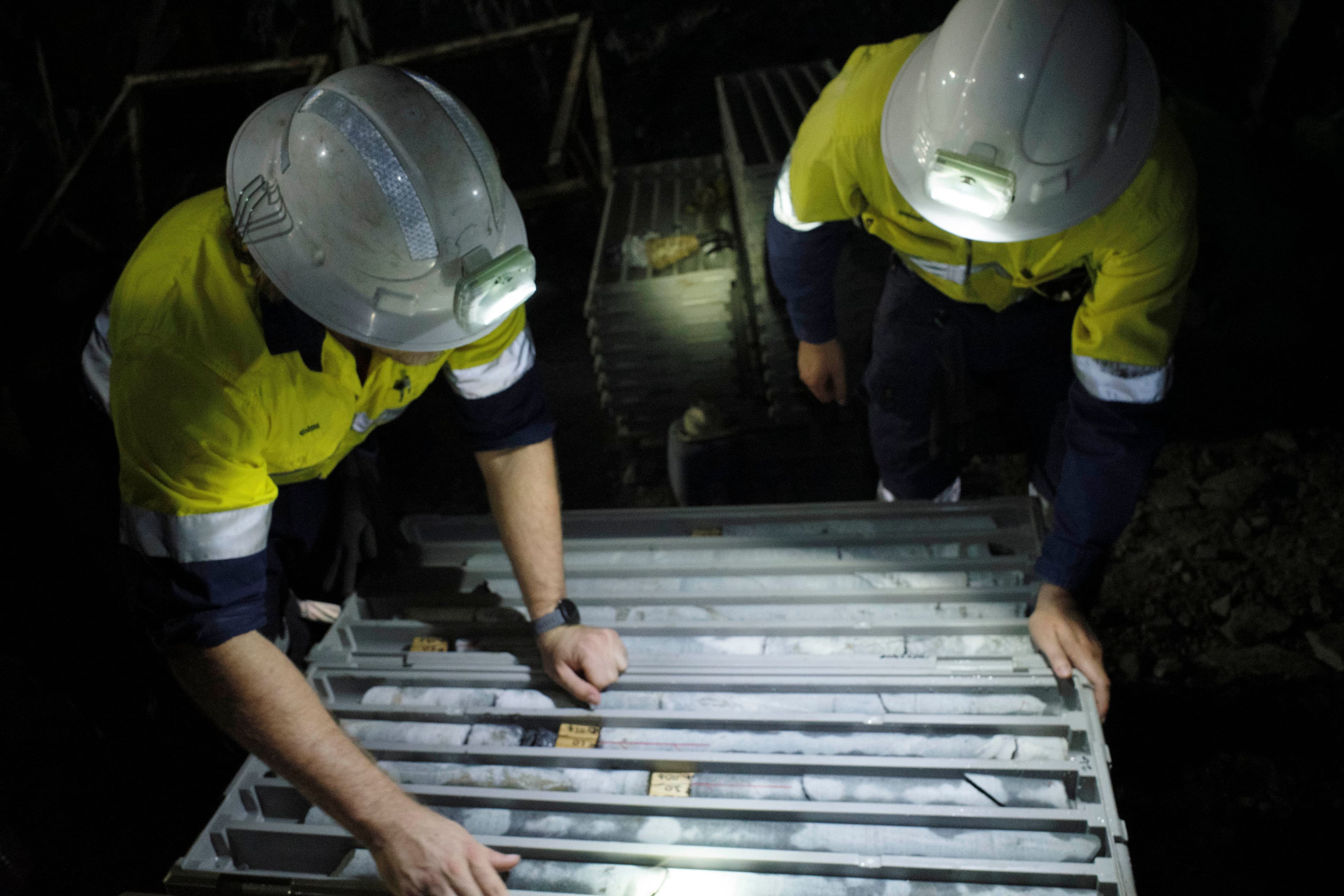
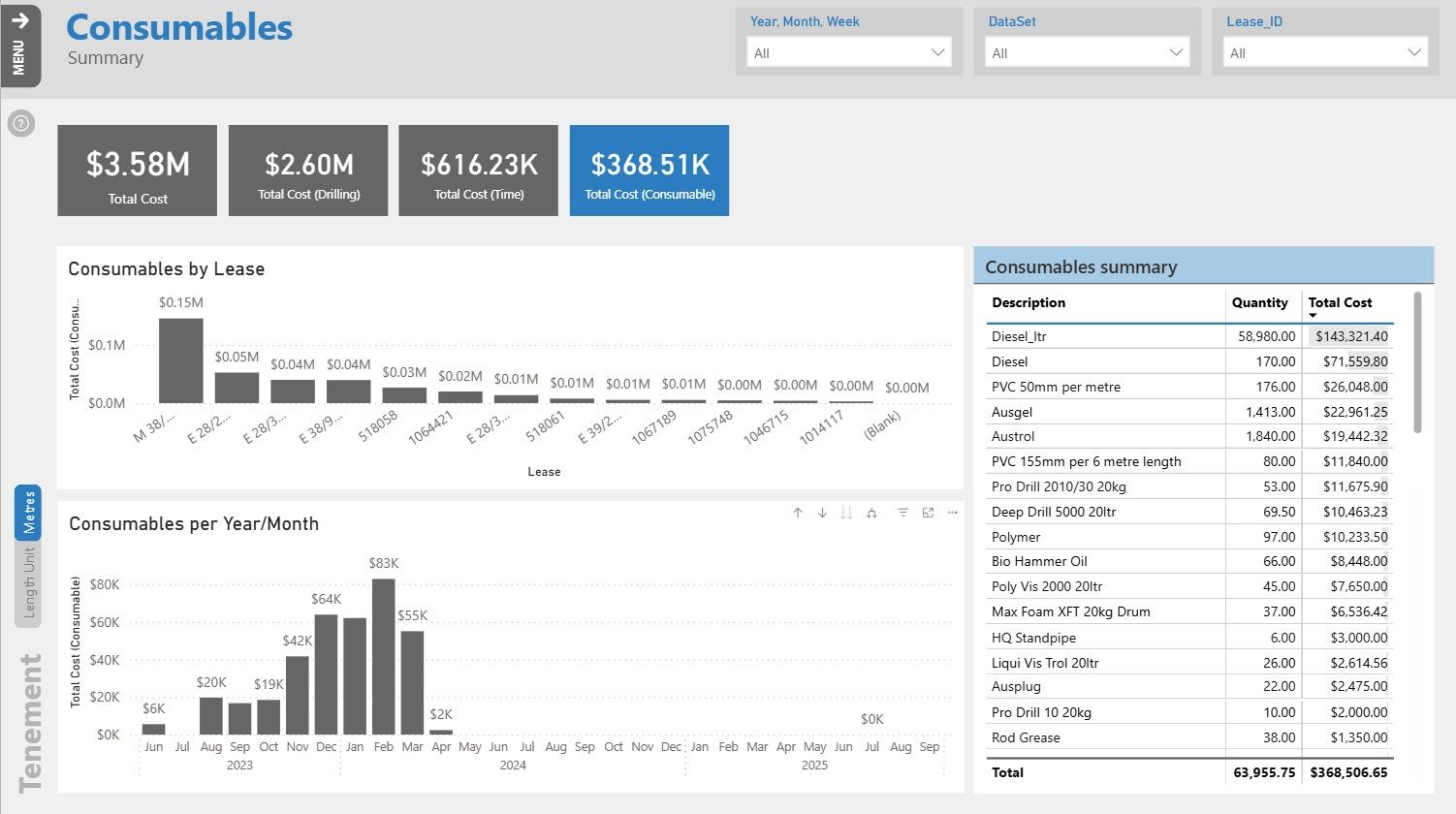
Drilling and geological data is often captured under pressure, across multiple crews, shifts, and locations. Without consistent processes, small inconsistencies can quickly accumulate and impact downstream workflows.
Common challenges include:
- Poor coordination between teams
- Delays in accessing field data
- Reliance on non-cloud or disconnected systems
- Repeated manual data entry
These aren’t failures, they’re natural outcomes of manual, fragmented processes. Over time, however, they reduce data quality, introduce bias, and make information harder to compare, trust, and reuse.
The solution: integrated drilling workflows
By connecting field data capture with centralised systems:
- Data is captured once and synchronised automatically
- Standardised templates improve consistency
- Real-time access eliminates delays
- Teams work from a shared, reliable dataset
This reduces duplication, improves data quality, and accelerates the path from drilling to insight.
Solving Assay Data Bottlenecks
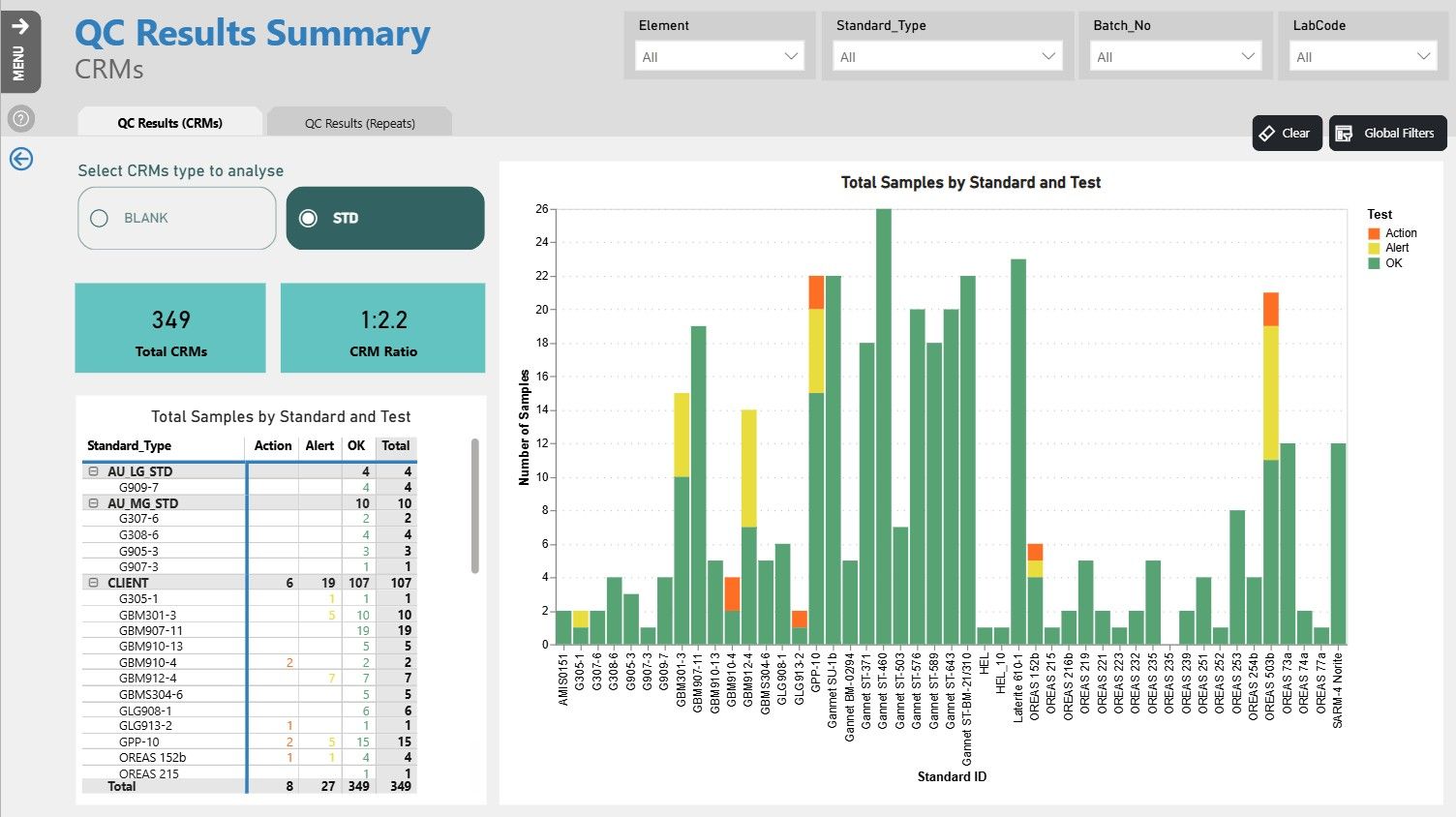
Assay data is critical to exploration and resource evaluation but it’s often one of the most inefficient workflows.
Traditional processes rely heavily on:
- Manual data handling
- Inconsistent lab formats
- Delayed imports and validation
- Limited transparency on data status
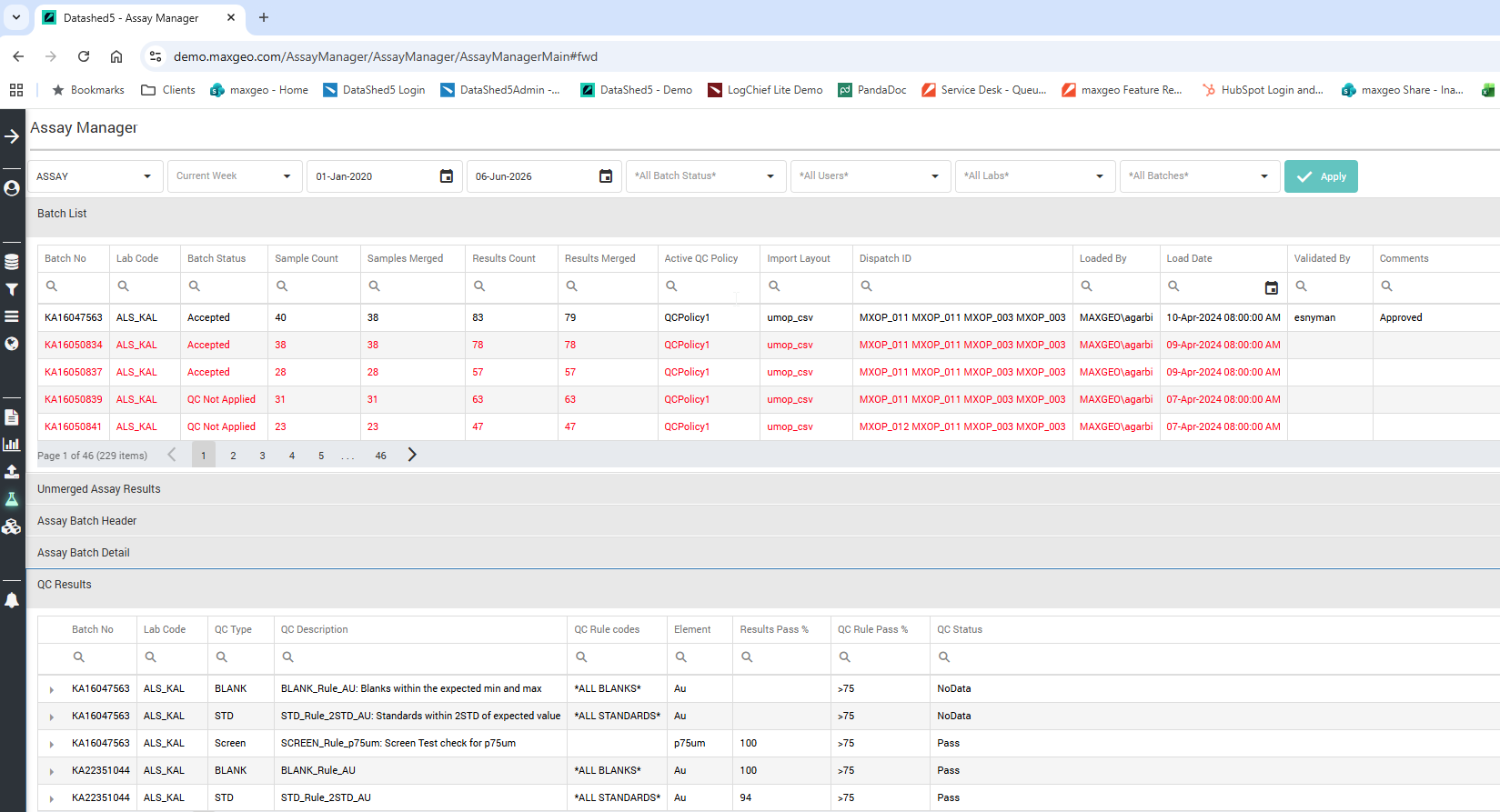
These challenges create bottlenecks between laboratories and internal systems, delaying the availability of trusted information and slowing decision-making.
The solution: automated, validated assay management
By automating data ingestion and applying predefined validation rules:
- Data is processed consistently every time
- Errors and anomalies are flagged immediately
- Approval workflows are standardised and auditable
- Clean data becomes available for immediate use
This removes subjectivity and turns assay management into a reliable, scalable workflow that can be accessed in near real time.
Extending Visibility Beyond Data: Land Monitoring
Data challenges don’t stop at drilling and assays.
Land access and compliance are often managed through disconnected systems and manual processes, leading to missed deadlines, limited visibility, and delayed awareness of new opportunities.
The solution: proactive land monitoring
A solutions-first approach brings this into a single, reliable workflow.
With automated land monitoring:
- Daily alerts keep teams informed of tenement changes and new applications
- Early notifications provide a head start on available ground
- Automated reminders reduce compliance risk
- Centralised data improves visibility across teams and stakeholders
The result is a shift from reactive tracking to proactive management, giving teams the clarity and confidence to stay ahead of both risk and opportunity.
The Real Value: Integrated Data, Better Decisions
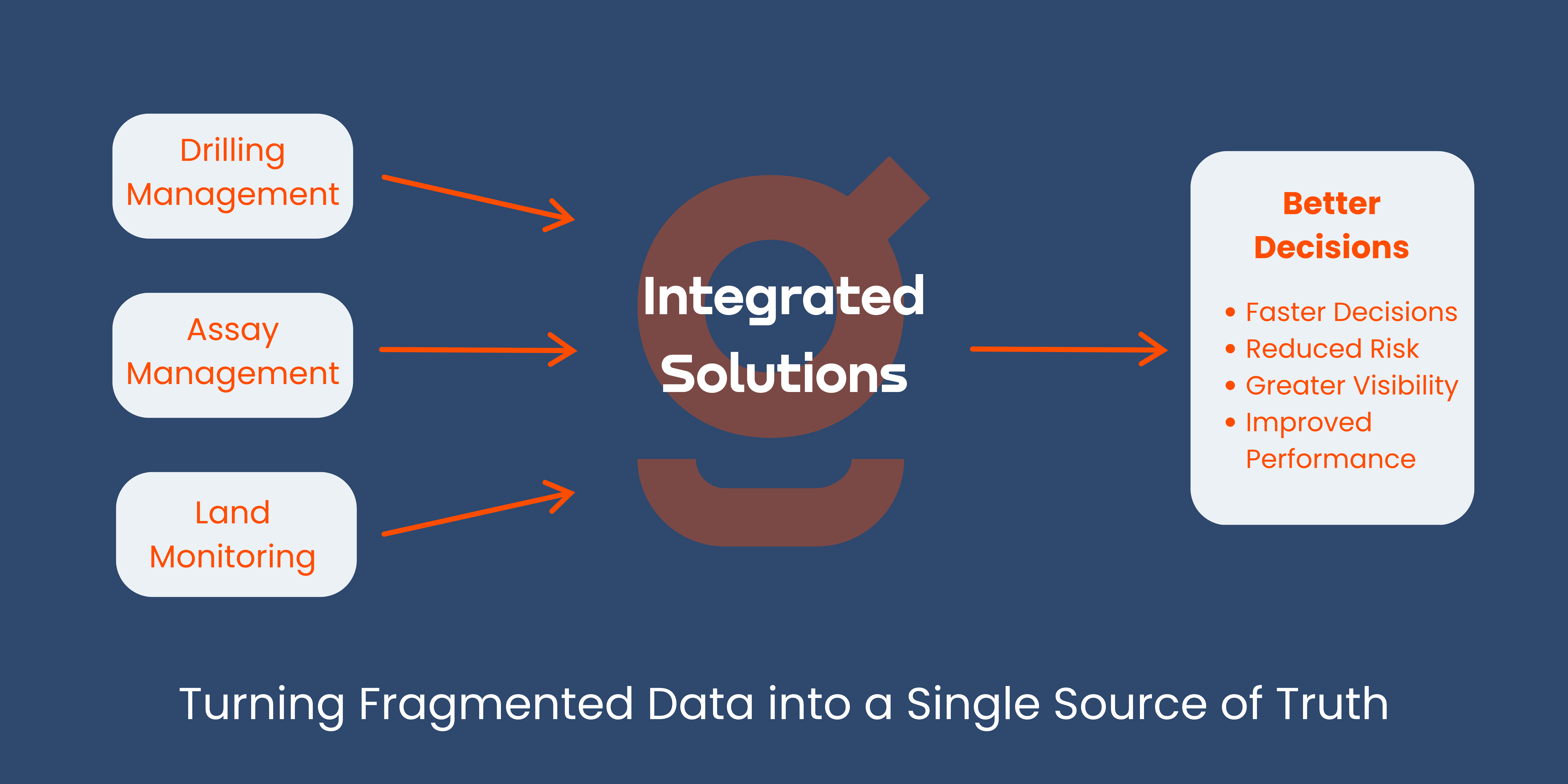
While each of these areas; drilling, assay and land can be addressed individually, the real value comes from connecting them.
A solutions-first approach brings together:
- Automated data flows
- Standardised validation
- Real-time visibility
- Integrated systems across the value chain
The outcome is not just better data, but better business performance. Benefits include:
- Faster turnaround from data to insight
- Reduced manual effort and operational delays
- Improved data quality and trust
- More confident, timely decision-making
This is where data stops being fragmented and becomes a strategic asset.
From Data Management to Decision Confidence
High-quality data isn’t just about accuracy, it’s about trust.
When data is standardised, validated, transparent, and accessible, teams spend less time fixing issues and more time making decisions. Disagreements are resolved with evidence, workflows move faster, and confidence increases across every level of the organisation.
This is where a solutions-first approach matters.
The mining industry doesn’t need more disconnected systems it needs solutions that reflect how data actually moves, from field to lab to decision-making. By focusing on integration, consistency, and real-world workflows, organisations can move beyond managing data and start aligning it.
Because the real goal isn’t better systems, it’s better decisions, made by aligned teams using data they trust.
From drilling to assays to land monitoring, the value isn’t in having more data, it’s in having one version of the truth.