Celebrating Innovation: The Evolution from DataShed4 to DataShed5
A geologist’s account of DataShed’s evolution—from its foundational Access-based architecture to shaping the advanced, automated capabilities of DataShed5.
As we celebrate the launch of DataShed5 3.2, it feels fitting to pause and reflect on the journey that brought us here—particularly the legacy of DataShed4, a platform that shaped the way many of us approached geological data management.
Early Challenges: The Drive for Data Integrity
My own journey with DataShed began in 2002, during my time as a Resource Geologist. Frustrated by the impact of poor-quality data on resource modelling—where a single error could mean weeks or months of rework—I was drawn to the idea of improving data integrity at the source. The opportunity to help shape better data before it entered the modelling process was one I embraced wholeheartedly.
Laying the Groundwork: From Paper to Access
Back then, data logging was done on paper, entered manually into Excel, and occasionally imported into Access. At Maxwell GeoServices, the early framework for data management was built in Access, and the Maxwell Data Schema (MDS) was beginning to take shape. Even then, the foundations of structured, relational data and validation were being laid. A front-end tool called “Maxwell Smart Manager” allowed for basic data entry, querying, and output—an early glimpse of what was to come.
The Leap Forward: DataShed4 and Reliable Assay Management
Then came DataShed. Initially Access-based, it marked a significant leap forward. Data entry became more intuitive, and robust validation rules helped prevent errors from creeping into the database. Assay management was transformed—laboratory files could be processed without manual intervention, and metadata was captured in full. DataShed4 quickly became known for having one of the most reliable assay management systems available.
Vision and Transition: The Birth of DataShed5
As maxgeo evolved, so did the MDS. The vision for DataShed5 was ambitious: a platform independent of Access, offering universal accessibility, enhanced automation, and the same rigorous data control. The goal was clear—free up time for geologists and data managers to focus on interpretation, visualisation, and adding value.

Adapting to Change: From Trusted Tool to Modern Platform
Transitioning from DataShed4 wasn’t easy. It had become a trusted tool, integral to my workflow. But as I began using DataShed5, I saw its potential. It retained the core functionality of its predecessor, with a modern interface and expanded capabilities. Data import and export remained seamless, and the platform introduced a host of new features.
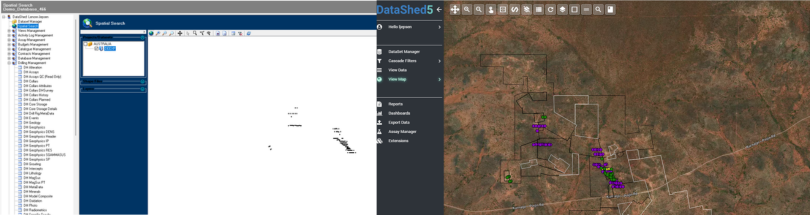
Enhanced Capabilities: Automation, Visualisation, and Integration
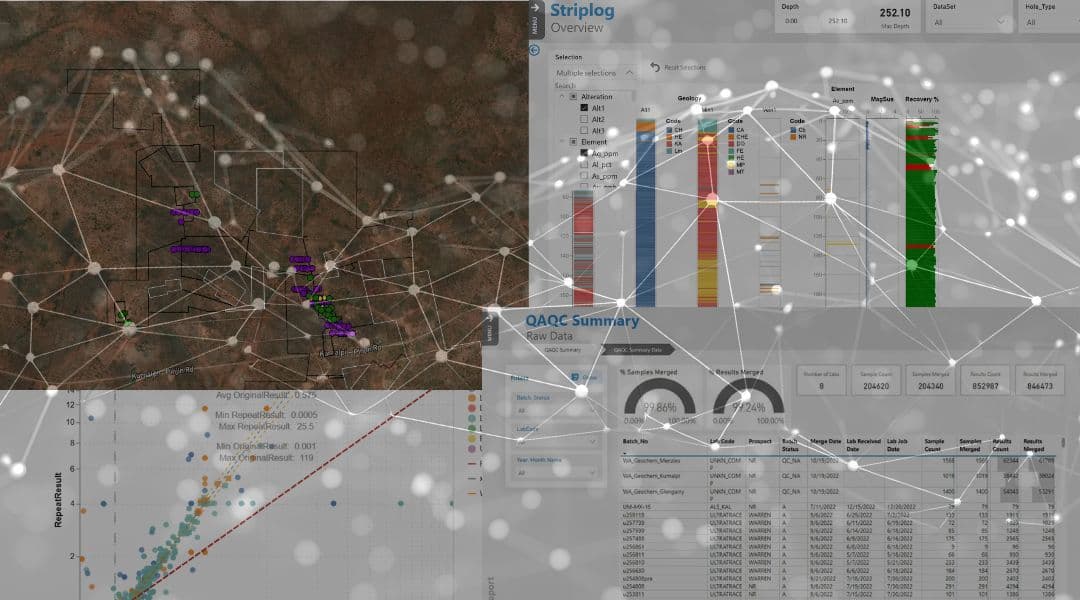
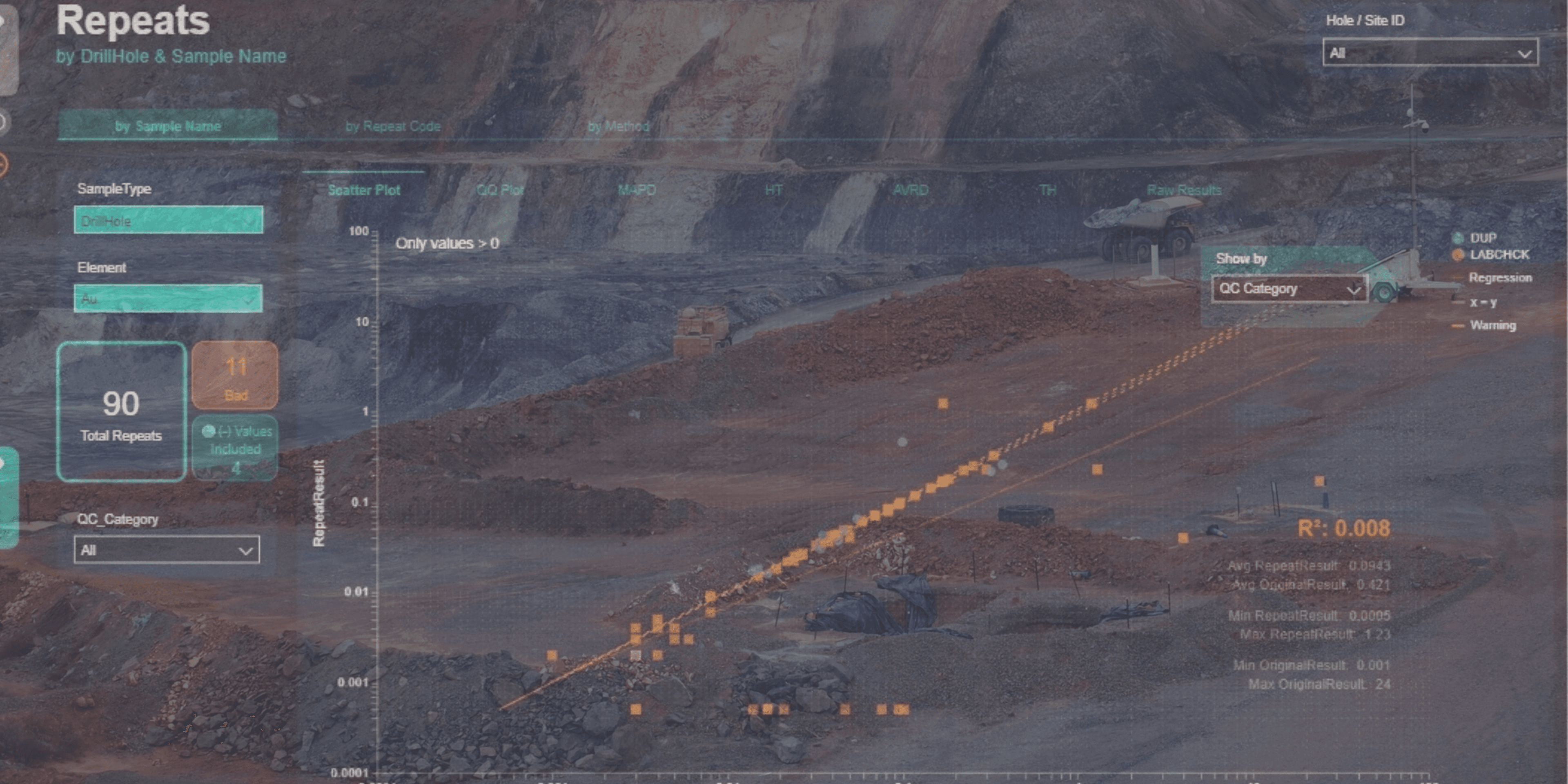
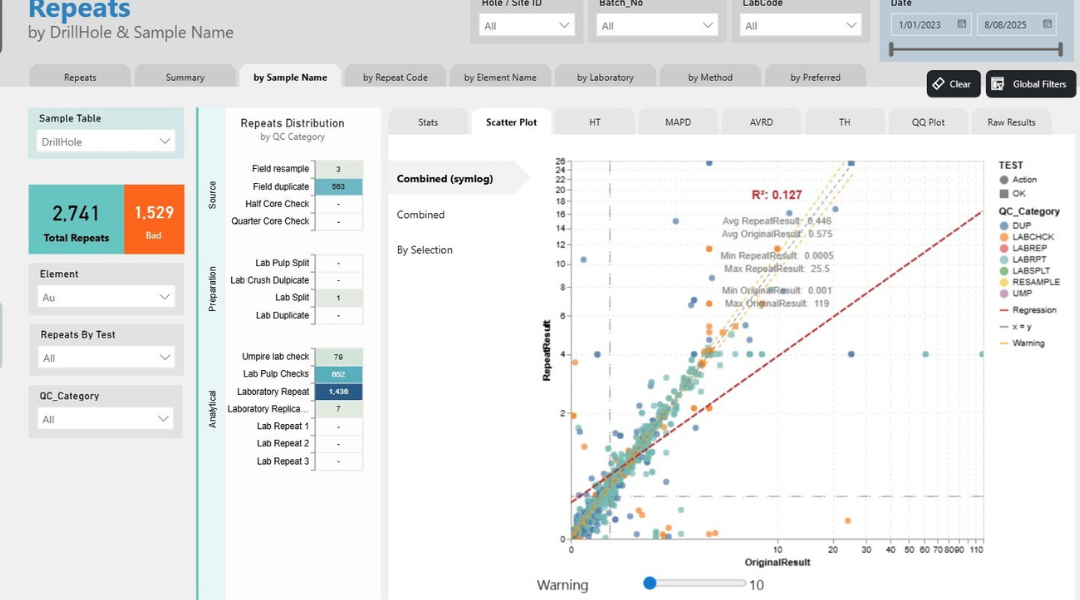
Extensions became apps. Data entry was streamlined. Visualisation tools, including QAQC dashboards and Power BI integrations, enhanced data review. Assay rules could now be applied at the point of load, enabling immediate validation. Automation became the norm—data imports and exports could be scheduled, freeing up valuable time for deeper analysis. Integration with third-party software expanded the platform’s reach, and the upcoming data portal promises even greater possibilities.

Refining the Platform: Challenges and Collaboration
Of course, no software evolution is without its challenges. We’ve encountered—and addressed—our share of teething issues. The feedback from our clients and partners has been invaluable in refining the platform and ensuring its robustness.
Today, DataShed5 stands as a powerful, intuitive data management solution. It honours the legacy of DataShed4 while embracing the future of geological data. And personally, I’ve come to love it.