WA Tenure Compliance: What $4.6 Million in Mining Fines Reveals
WA tenure compliance data reveals $4.6M in mining fines. Learn what the numbers mean for exploration companies and evolving regulatory oversight.
Tenure compliance has always been a fundamental part of operating in Western Australia’s mining sector. However, recent public data suggests the regulatory environment is becoming more demanding and the cumulative impact of small compliance penalties is larger than many realise.
An analysis of publicly available data from the Department of Mines, Petroleum and Exploration (DMPE), based on a December 2025 dataset, highlights several emerging trends across current WA tenure holders.
What the data shows
Across the 100 most non-compliant current tenure holders in WA:
• 4,917 fines have been issued across currently live or pending tenure (excluding expired or relinquished tenements).
• Based on a conservative blended estimate of $950 per fine, this represents more than $4.6 million in penalties.
• 92 of these companies outsource their tenure management to two primary service providers.
• Among the top 20 tenure holders in WA, the average company has received more than 70 fines each, equating to roughly one fine every 7–8 weeks over the past decade.
• Exemption refusal rates have increased noticeably since 2019, suggesting greater scrutiny around extensions and late reporting.
While these figures vary across companies and portfolios, the broader takeaway is clear: compliance management is becoming more complex as regulatory expectations evolve.
Small penalties, large long-term impact
Most individual fines in WA are relatively modest, typically ranging between $500 and $1,500. On their own, they may appear manageable. However, when recurring penalties accumulate across large portfolios over many years, the financial impact becomes more significant.
Beyond fines themselves, there are also indirect costs to consider including internal administrative time, potential legal expenses, and the operational disruption that can occur when compliance issues escalate.
A shifting regulatory environment
The data also points to a broader shift in regulatory oversight. Historically, late submissions and exemption requests were often granted more readily. In recent years, however, exemption approvals have tightened and deadlines are being enforced more consistently.
For companies managing large exploration portfolios, this means that tracking reporting obligations, expenditure requirements, and submission deadlines across multiple tenements is becoming increasingly important.
The case for modern compliance management
As the scale and complexity of tenement portfolios grow, many organisations are re-evaluating how compliance is managed internally.
Traditional approaches: spreadsheets, manual tracking and fragmented reporting processes can make it difficult to maintain a clear, real-time view of compliance obligations across multiple projects and jurisdictions.
This is where digital compliance tools are beginning to play a larger role. Platforms like LeaseCTRL provide exploration and mining companies with a centralised system to track tenure obligations, reporting deadlines, and regulatory requirements across their portfolios.
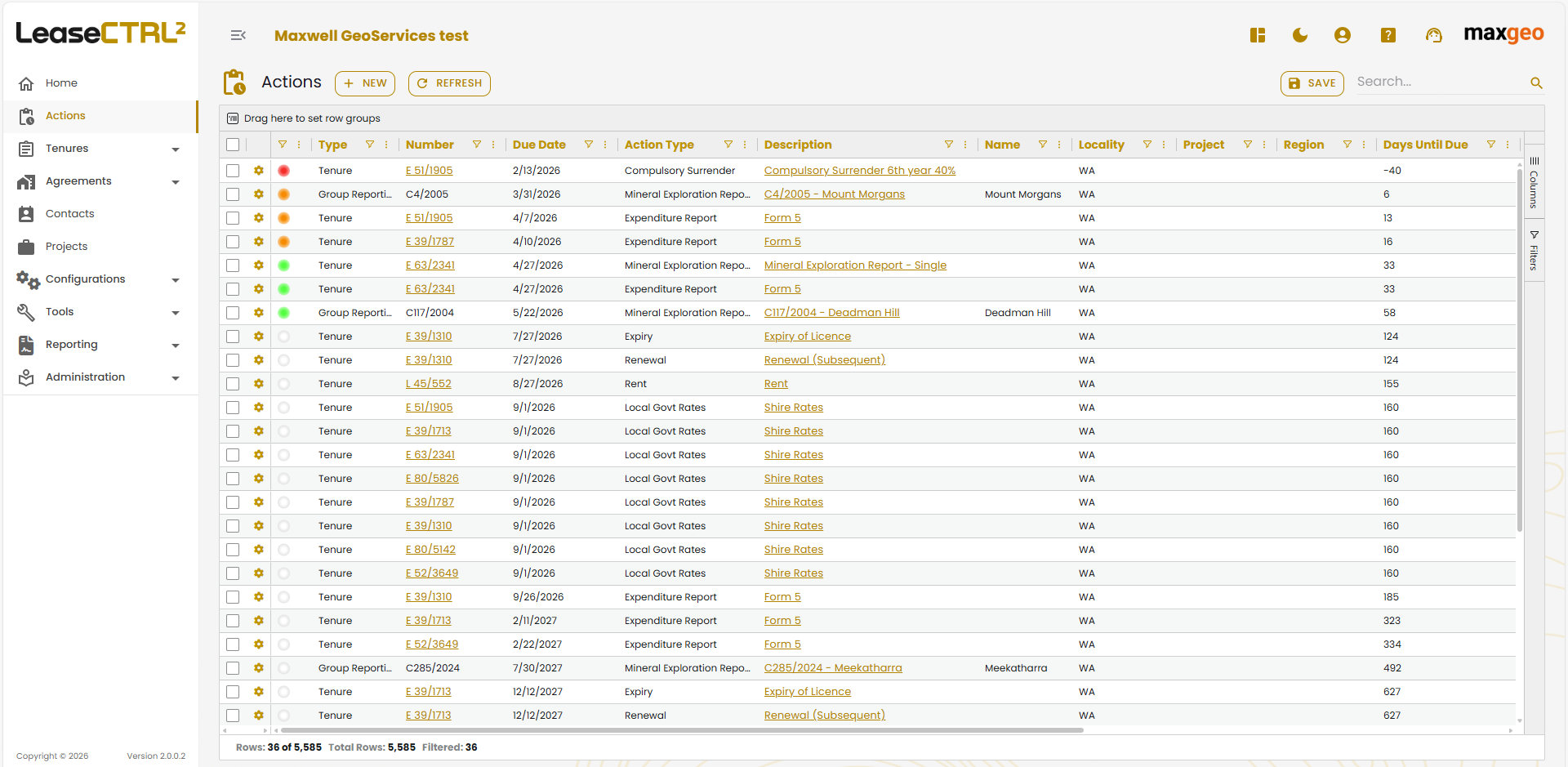
By improving visibility and reducing manual administration, these tools help teams stay ahead of compliance requirements and minimise the risk of avoidable penalties.
Looking ahead
Western Australia remains one of the world’s most active and well-regulated mining jurisdictions. As regulatory oversight continues to evolve, effective tenement management is becoming less about reacting to deadlines and more about proactively managing compliance across an entire portfolio.
For companies operating in the region, the opportunity is clear: adopting systems and processes that support stronger compliance management not only reduces administrative burden, but also helps protect the long-term value of their tenure assets.