The Hidden Engine of Mining: Why Tenure Management Can No Longer Be Ignored
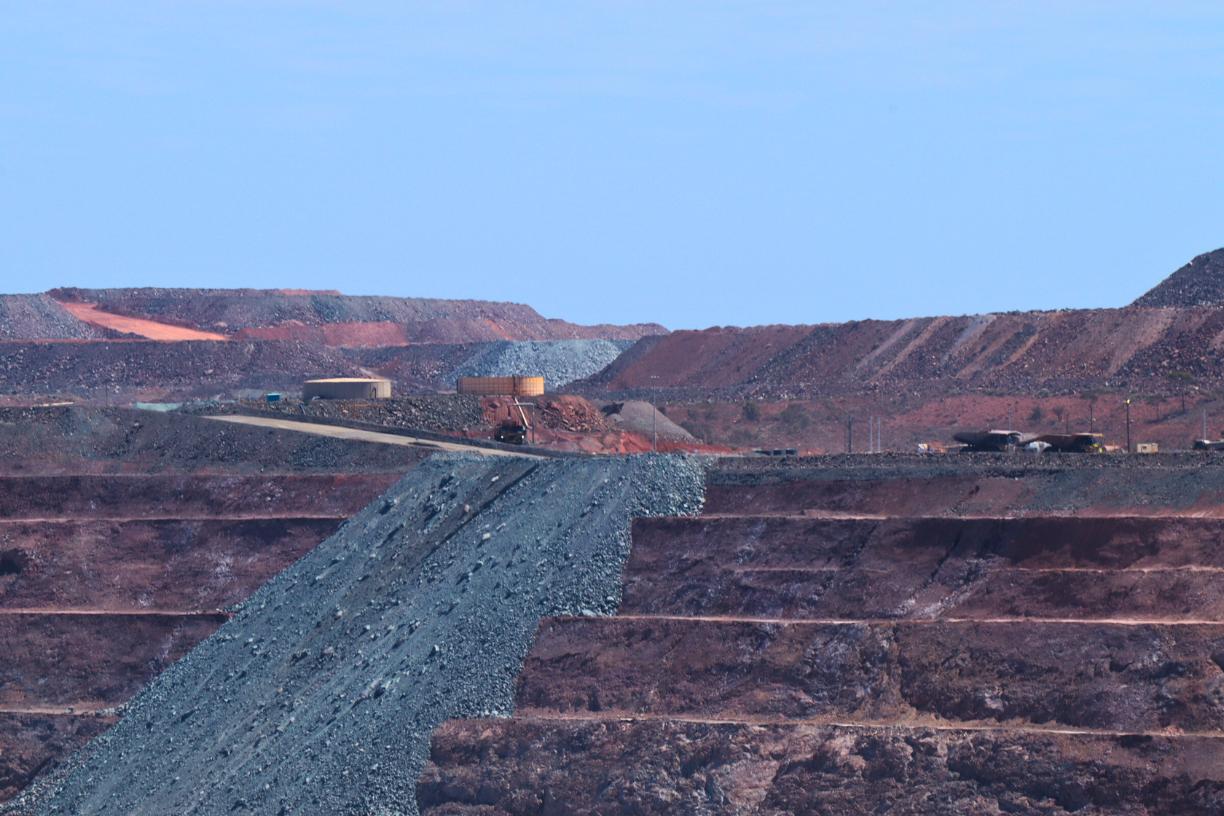
Tenure management is the silent backbone of mining — and in today’s regulatory landscape, it’s too critical to be treated as an afterthought.
Mining companies love to talk about scale, grades, and tonnage. But beneath the resource models, drill programs, and ESG commitments lies the most fundamental component of all: legal permission to access the land.
This permission comes in the form of mining tenements, leases, or claims — depending on the jurisdiction — and the people responsible for managing those rights? Often overlooked, stretched thin, or quietly burning out. Yet without them, there’s no project, no permit, and no production.
In this blog, we shine a light on the increasingly vital — and risky — world of tenure management. Because in a landscape shaped by legislation, land rights, and rising expectations, this is the one area of mining that no longer allows for shortcuts.
The Turning Point: How the Last Decade Changed Everything
Tenement compliance has always been necessary. But over the last 10 years, it became critical. In many countries, the time to fully permit a mine has ballooned to 7–10 years. The burden of proof is higher. The rules are tougher. And the consequences of missing a step? Far more severe.
Several global trends drove this shift:
- Indigenous and cultural heritage laws expanded and strengthened
- Environmental compliance became more rigorous and science-led
- Community consultation expectations increased sharply
- Reporting standards became more frequent, granular, and enforceable
What was once managed with diligence now requires legal-grade precision. A tenement manager isn’t just ticking boxes anymore — they’re holding the legal thread that keeps projects alive.
The Risk No One Talks About
Tenure risk doesn’t get much airtime in boardrooms — until something goes wrong. Unlike operational issues, tenure compliance failures often stem from internal oversights: a missed deadline, a lost reminder, or an obligation that wasn’t escalated in time.
These aren’t theoretical. Companies have:
- Lost key ground due to courier delays on paperwork
- Had leases automatically forfeited for unpaid fines
- Faced massive delays from unlodged reports
The problem? These are avoidable. But when tenure is tracked in spreadsheets, handled by rotating admins, or treated as “someone else’s job,” these risks multiply fast.
Tenure is a legal asset. It must be treated with the same seriousness as contracts, finance, or health & safety.
Tenement Managers: The Multi-Tool of Mining
What makes tenure management truly unique is its intersection across disciplines. A good tenement manager understands:
- Mining and environmental law
- Native Title and heritage legislation
- GIS and spatial systems
- Exploration programs and geological language
- Internal project budgeting and expenditure commitments
They work across legal, technical, administrative, and relational domains — often in the same day.
Yet they’re rarely celebrated. Many operate solo. Few get support or succession planning. And as legislation gets harder, many are stepping away — into consultancy, law, or other fields where their experience is recognised.
Consultants, Costs & Career Pathways
The exodus of skilled tenement professionals has created a new market: consultants. Many are exceptional. Some are former tenement officers. But increasingly, companies are relying on them not as support — but as a substitute.
This trend brings risk:
- Knowledge leaves the company
- Continuity breaks down
- Costs increases
- Accountability blurs
Tenure management shouldn’t be fully outsourced. This is a high-risk, compliance-heavy area. If something goes wrong, regulators don’t look at your consultant — they look at you.
The Software Gap
For an industry focused on digital transformation, tenure compliance is stuck in the past. Many teams still rely on:
- Excel sheets with manual dates
- Email reminders with no escalations
- Folder structures for document control
- Old legacy systems with limited flexibility
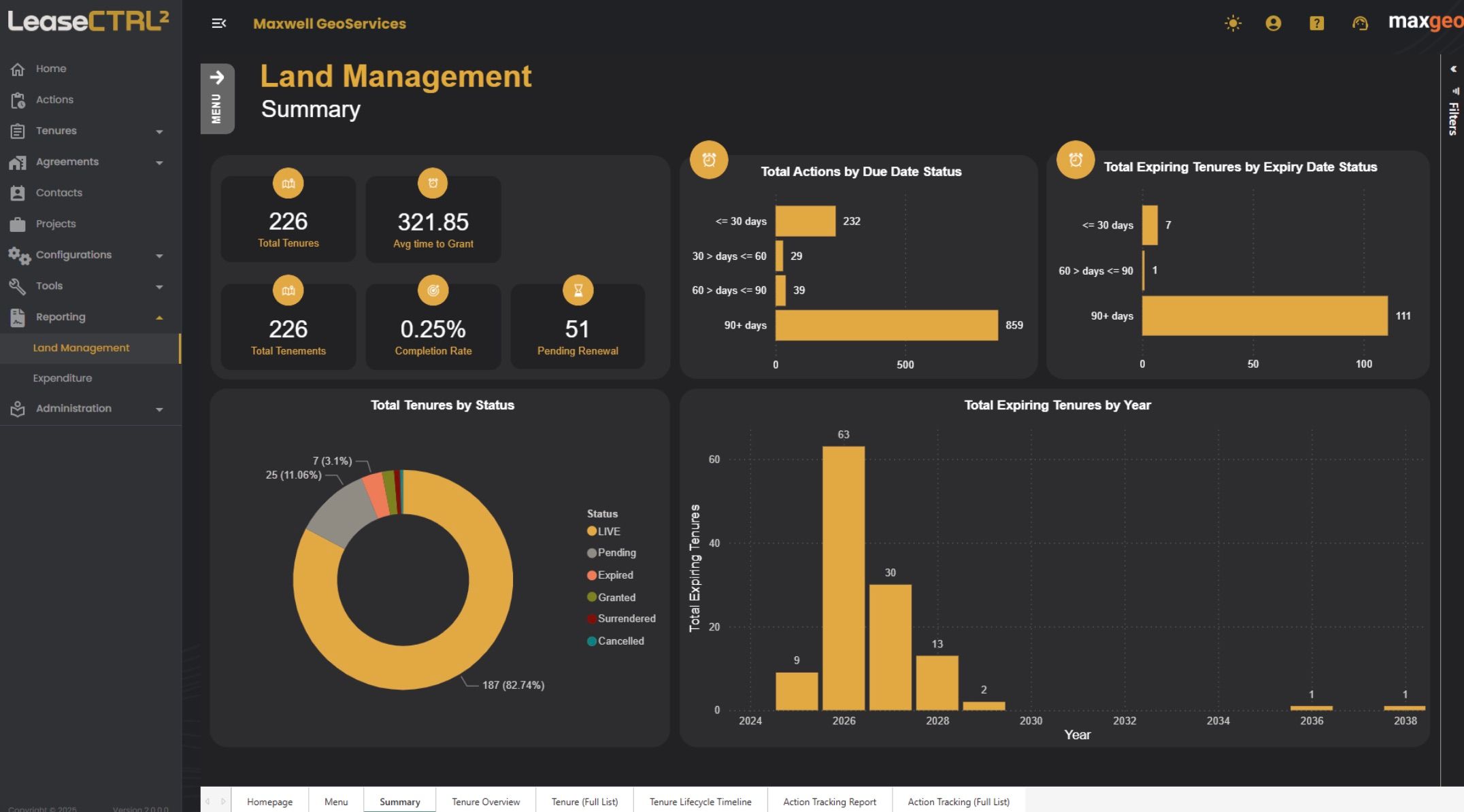
Modern mining requires modern tools. Especially when tracking thousands of conditions, due dates, reports, and obligations. This is why LeaseCTRL2 exists. LeaseCTRL2 is a cloud-based compliance platform designed specifically for tenement managers. It supports — not replaces — the people managing tenure. It tracks everything, automates alerts, escalates issues, and keeps your team (and leadership) in the loop.
What Needs to Change
We can’t keep saying “someone else is handling it.”
Mining companies must:
- Recognise tenure risk as part of enterprise risk
- Invest in internal expertise, not just hire it in
- Support tenure staff with modern tools
- Build continuity across tenure roles
- Treat compliance escalation seriously — from admin to exec level. Because one missed obligation shouldn’t cost you the right to mine.